

Plan Your Visit

Are you thinking about visiting? We can’t wait to see you!
We are open 10am-4pm every day except: Thanksgiving, Christmas Eve, Christmas Day, New Year’s Day, and if announced otherwise on social media due to weather.
WE’RE BACK!
What to Expect
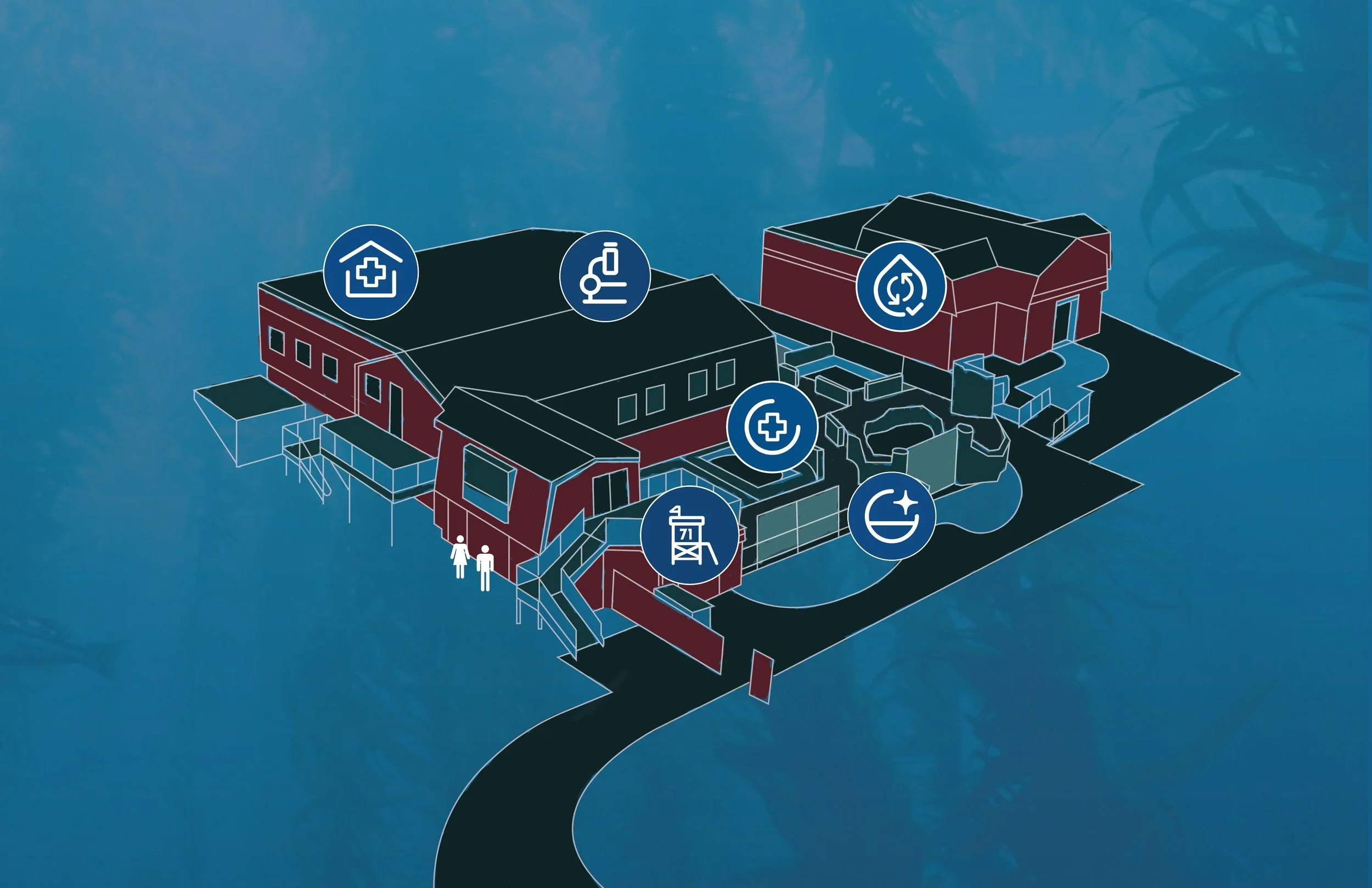
Plan for your visit and make a reservation at the link below to secure your spot.
Talk to our Volunteer Docents
Stop by our Gift Shop
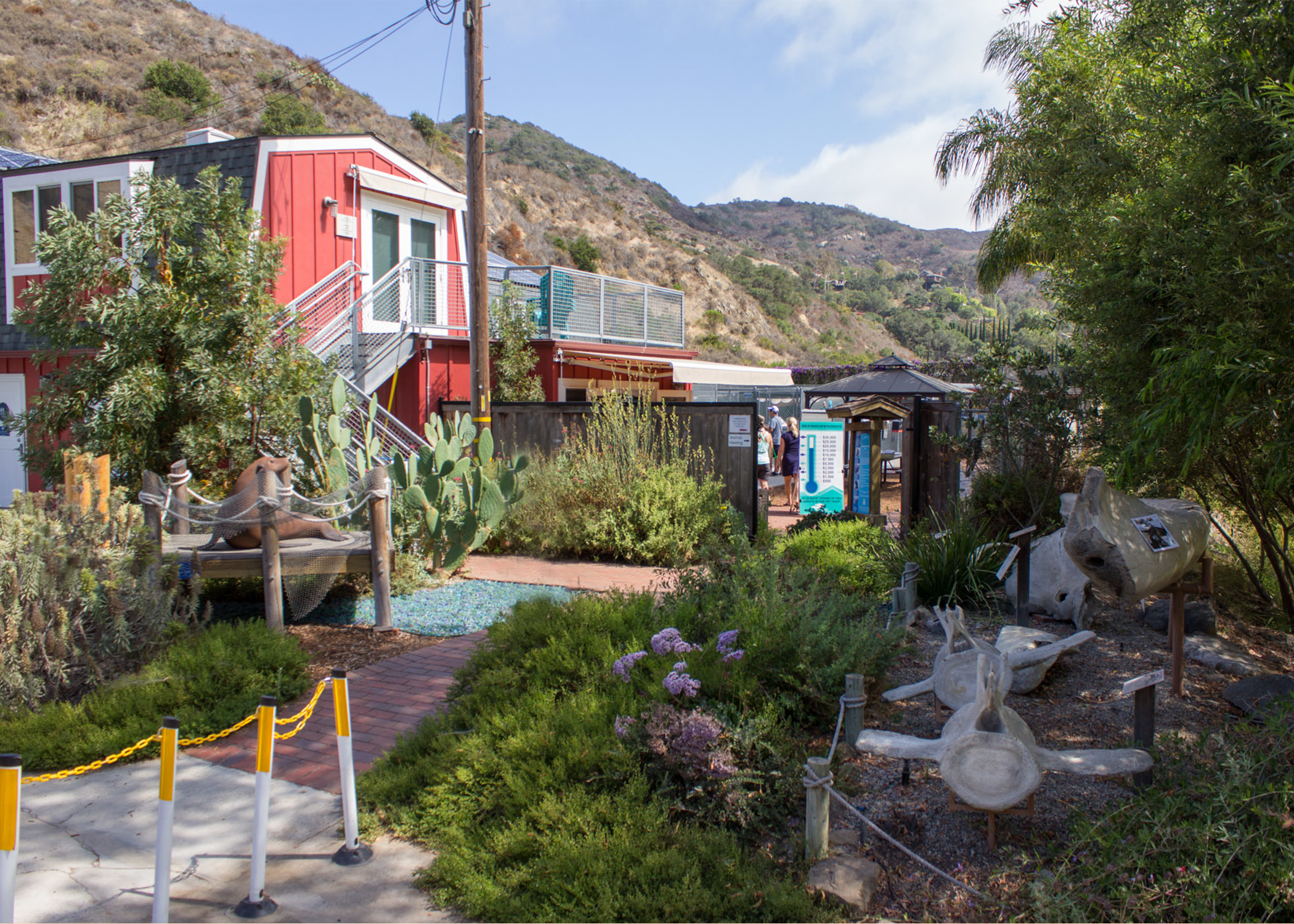
Check out our Interactive Displays
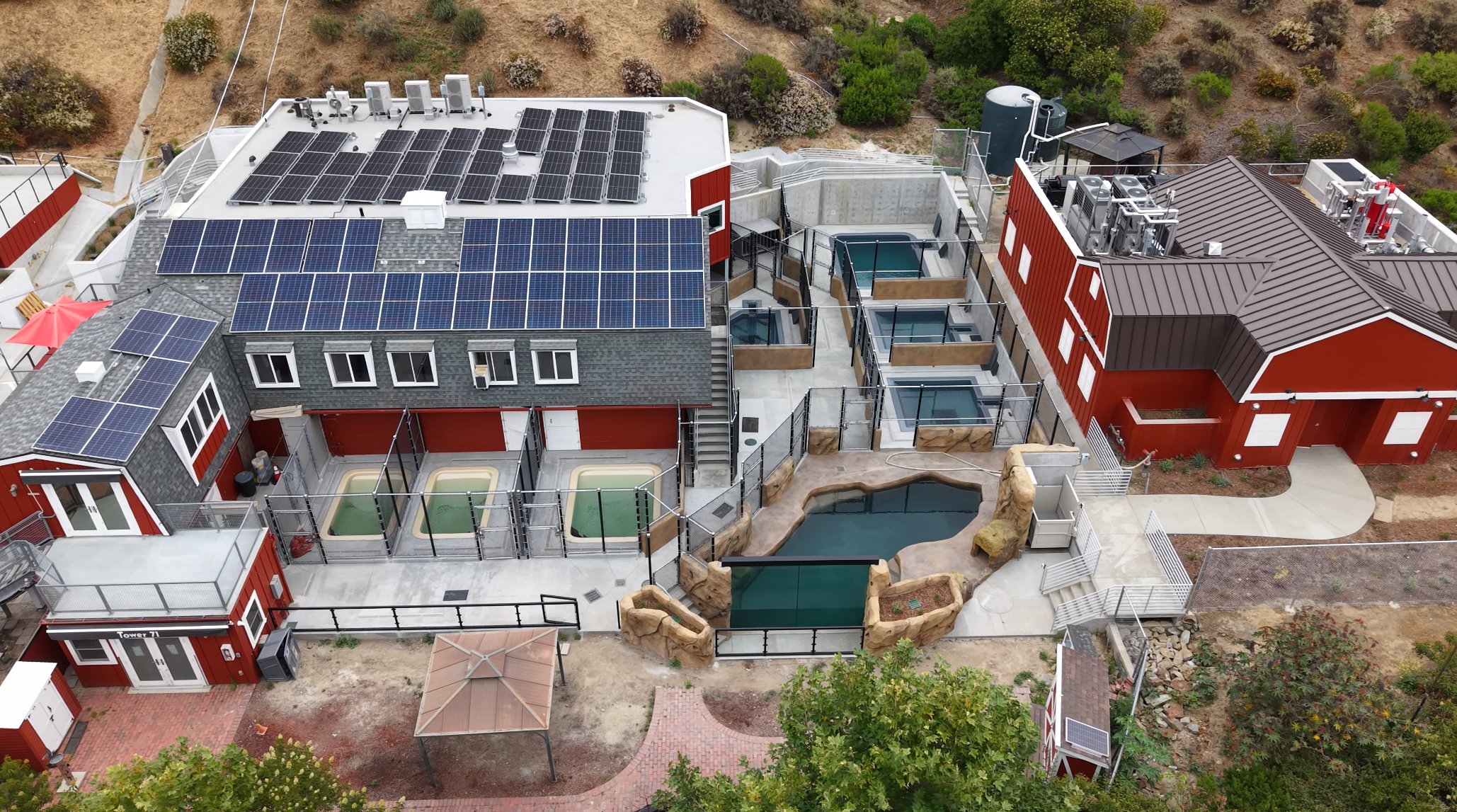
See our new Rehabilitation Pools
Learn about our Water Reclamation
Make a Donation
General admission is free to the public, but donations are highly encouraged to keep our visitor experience free forever.
Please consider giving today!
RESERVE YOUR SPOT
How to find us


PHONE
949-494-3050
We are located next to the Laguna Beach Animal Shelter and the dog park, 6 min from downtown Laguna Beach. There is free but limited onsite parking. Look for the red barn!
Pacific Marine Mammal Center would like to respectfully acknowledge that our center is located in the ancestral, traditional, and contemporary unceded lands of both the Tongva and Acjachemen (A-ha’-she-men) Peoples.
We strive to honor values we share with the Tongva and Acjachemen Peoples to reconnect with nature, the land, the ocean, the water, the plants, and the animals.
Visiting FAQ
-
You do not need a reservation. We are open every day of the week from 10am-4pm and there is no charge to visit. We have docents that will help give a wonderful experience and answer all your questions. We rescue several species of marine mammals including California Sea Lions, Elephant Seals, Northern Fur Seals, and Harbor Seals.
-
We do. Please contact our education department at education@pacificmmc.org to see what options are available for your group.
-
Yes, there is a small lot onsite with free parking.
-
Yes. California law allows persons with disabilities to bring trained service dogs and psychiatric service dogs, but not emotional support animals, to all public places.
Service animals must be harnessed, leashed, or tethered, unless these devices interfere with the service animal’s work or the individual’s disability prevents using these devices. In that case, the individual must maintain control of the animal through voice, signal, or other effective controls
-
Other dogs are not allowed in due to disturbance/stress it can pose to the wild animals we are rehabilitating. Additionally, we do not wish to habituate the animals in any way to dogs as it would be dangerous for them in the wild. There are also potential communicable diseases between dogs and sea lions, so it is safer for both our patients and people’s pets that pets not be brought in to PMMC’s visitor yard.
Patient FAQ
-
The most common Pinnipeds to Southern California are Northern elephant seals, Pacific harbor seals, and California sea lions. Occasionally, we treat Northern fur seals. PMMC is also the only temporary holding facility for small whales and dolphins between Santa Barbara and San Diego.
-
"PINNIPEDIA" is the scientific name given to all seals, sea lions and walruses. It means, "fin or feather-footed." All seals sea lions and walruses are referred to as Pinnipeds. There are two types of Pinnipeds that we care for at Pacific Marine Mammal Center: the "true seals", belonging to the Family Phocidae and the “eared seals”, belonging to the Family Otariidae.
-
"Cetacea" is the scientific name given to all whales, dolphins and porpoises. All whales, dolphins and porpoises are referred to as cetaceans.
-
PMMC is responsible for animals stranded on beaches along the Orange County coast. The range extends north to Seal Beach and south to San Onofre. We are a member of the Marine Mammal Stranding Network that services animals along the entire coastline of the United States.
-
The majority of the pinnipeds we rescue are severely malnourished, suffer from dehydration and may have respiratory infections. We also treat animals that are affected by gill net entanglement, fishing line / hooks, human inflicted injuries, shark bites, parasites and various diseases. Trash has also become an increasingly vital concern for the health and safety of our oceans. More information can be found at Project Aware.
-
The length of stay varies with each patient and depends on the severity of their medical problems. However, the average length of stay is three months.
-
The criteria that determine when our patients are ready to be released are sound medical condition, the ability to dive independently and compete for fish while maintaining a healthy body weight.
-
Our busiest season is during late winter and early spring. Late winter / early spring period is the time when pups are weaning from their mothers and are more susceptible to natural medical issues such as malnourishment and dehydration.
Happy Visitors


WE can’t wait to see you!
We cannot wait to welcome you back to our center and share all of our new exciting improvements. Thank you for being a part of our mission.