

Plan Your Visit
How to find us
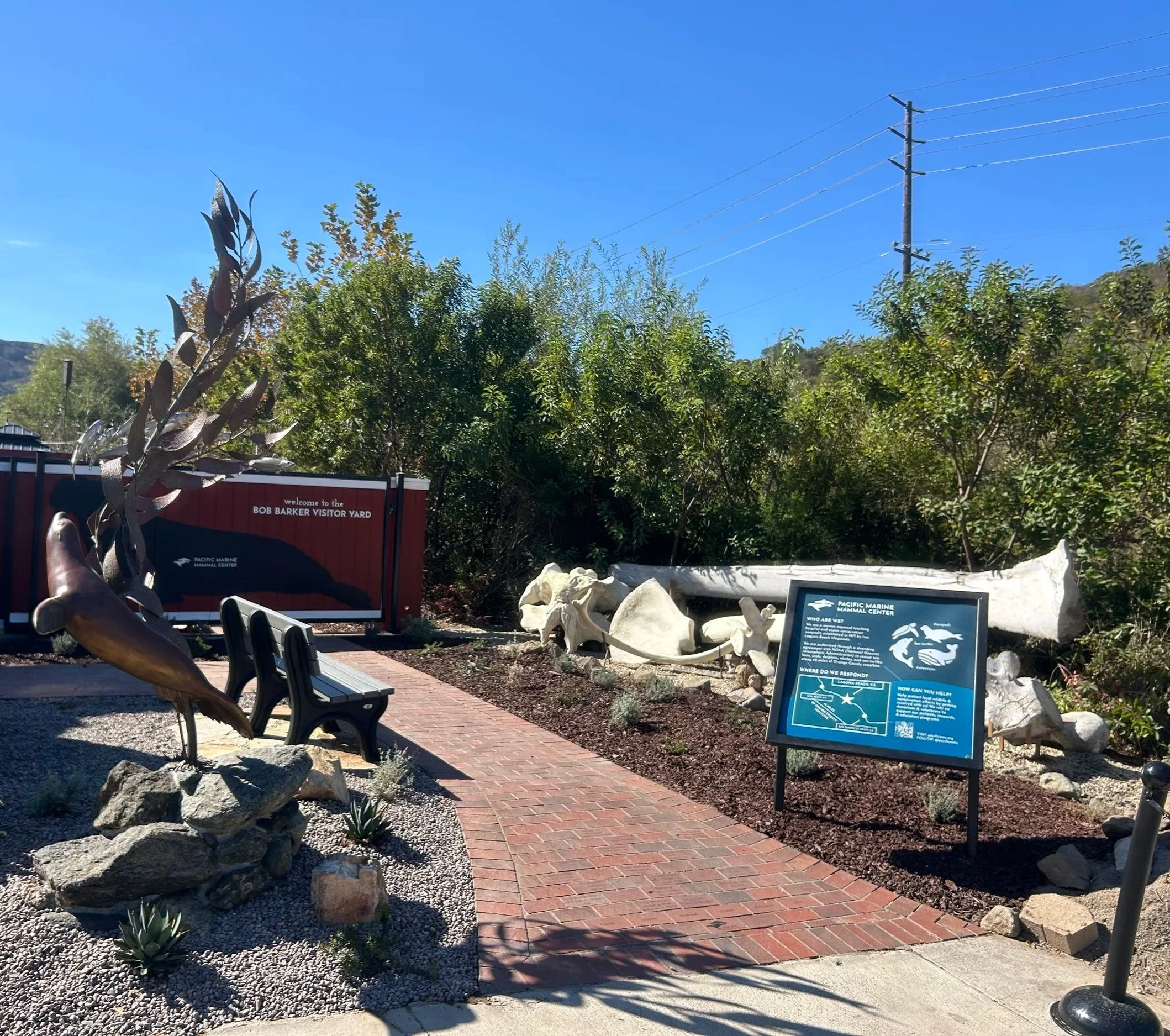

ADDRESS 20612 Laguna Canyon Road, Laguna Beach, CA 92651

PHONE
949-494-3050
Our Bob Barker Visitor Yard is open 7 days a week from 10am-4pm, except on Thanksgiving, Christmas Eve, Christmas Day, New Year’s Day, and if announced otherwise on social media due to weather.
parking
We are located next to the Laguna Beach Animal Shelter and the dog park, 6 min from downtown Laguna Beach. We have free but limited onsite parking.
Look for the red barn!
What to Expect
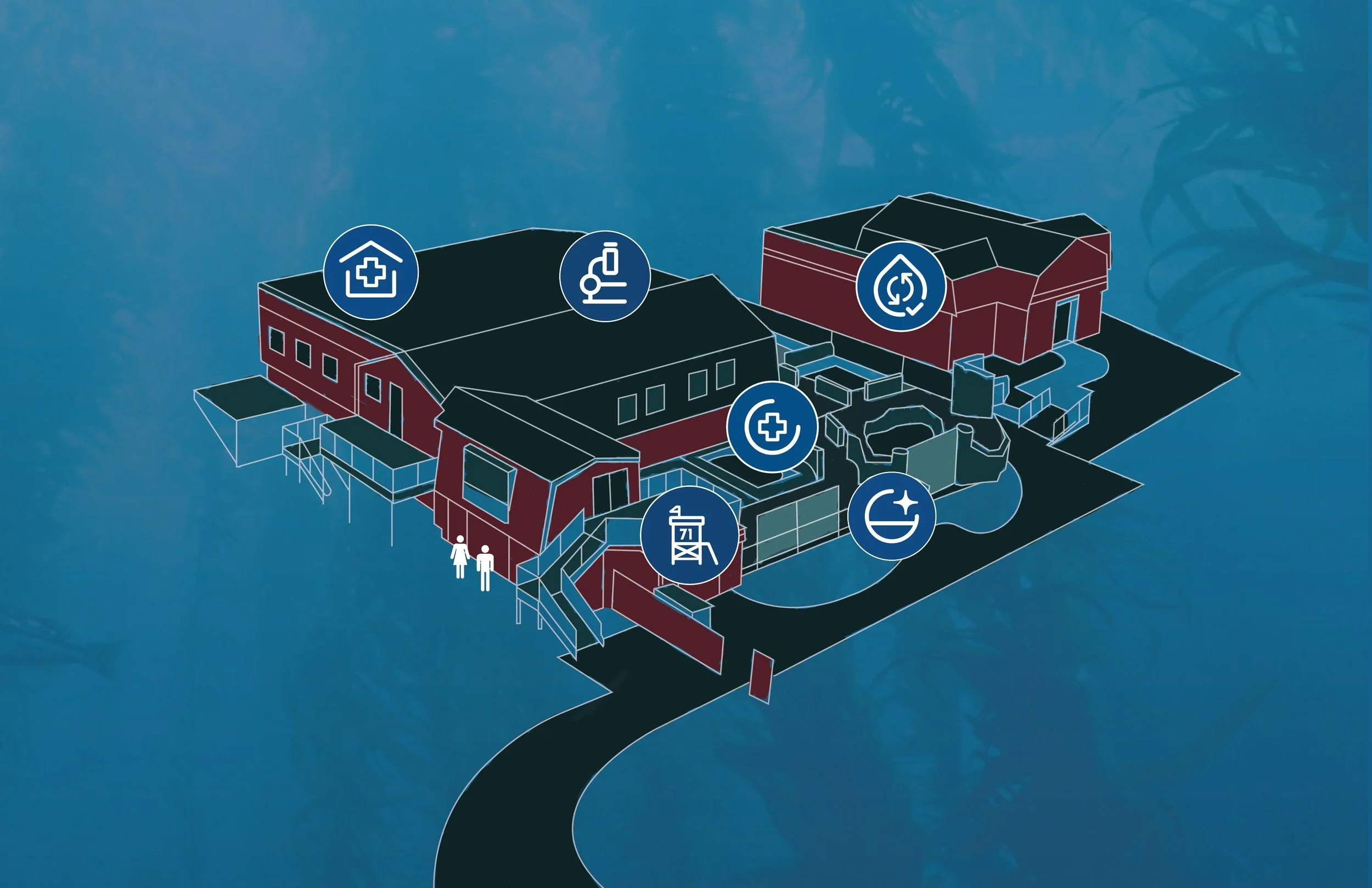
Plan for your visit and make a reservation at the link below to secure your spot.
Learn about Marine Mammals
+ Ocean Health
Talk to our Volunteer Docents
Check out our Interactive Displays
See our new Rehabilitation Pools
Learn about our Water Reclamation
Stop by our Gift Shop
General admission is free to the public, but donations are highly encouraged to keep our visitor experience free forever.
Please consider giving today!
RESERVE YOUR SPOT
Visiting FAQ
-
You do not need a reservation, but it is strongly encouraged. To help our team members better prepare for visitors, we have moved to a voluntary reservation system. We are open every day of the week from 10am-4pm and there is no charge to visit.
We have volunteer docents that will help provide an educational experience and answer any questions you may have during your visit.
-
Yes, free tours are available for small groups! For groups of 10 or more, see more information at the link below.
-
We have free but limited onsite parking. Look for the red barn!
If there are no parking spots available in the gravel lot in front of Pacific Marine Mammal Center, there is metered parking available along Laguna Canyon Road.
-
Yes. California law allows persons with disabilities to bring trained service dogs and psychiatric service dogs, but not emotional support animals, to all public places.
Service animals must be harnessed, leashed, or tethered, unless these devices interfere with the service animal’s work or the individual’s disability prevents using these devices. In that case, the individual must maintain control of the animal through voice, signal, or other effective controls.
-
Pets, other than service animals, are NOT allowed on the property due to the disturbance/stress it can pose to the wild animals we are rehabilitating.
Additionally, we do not wish to habituate the animals to dogs as it would be dangerous for them in the wild. Note: wild animals at our hospital can have diseases that can be passed between other species. It is safer for both our patients and people’s pets that animals are not brought into PMMC’s visitor yard.
Patient FAQ
-
We are authorized to rescue and respond to sea lions, seals, dolphins, whales, and sea turtles, in Orange County, through a stranding agreement issued by NOAA Fisheries. When visiting, you have the potential to see certain patients in rehabilitation, including: California sea lions, Northern elephant seals, Pacific harbor seals, and Northern fur seals.
-
“Pinniped” refers to seals and sea lions. “Pinnipedia” is the scientific classification suborder for all seals, sea lions, and walruses. There are 2 types of pinnipeds that we care for at Pacific Marine Mammal Center: the "true seals", belonging to the family Phocidae (harbor seals, elephant seals) and the “eared seals”, belonging to the family Otariidae (sea lions, fur seals).
-
"Cetacea" is the scientific classification infraorder for all whales, dolphins and porpoises. While you will not see any whales, dolphins, or porpoises at PMMC, we assist with cetacean entanglement responses and strandings that occur off the coast of Orange County and collaborate with the West Coast Region Stranding Network for cases in Southern California.
-
PMMC is notified of stranded marine mammals by lifeguards, rangers, animal control officers, and members of the public through a 24/7 rescue hotline. To determine if they can assist, PMMC requests the location of the animal and a photo or video to help assess their condition. If PMMC determines intervention is appropriate, a rescue team will be dispatched. Once on site, the rescue team safely secures and transports the animal back to the center for further triage and assessment.
As a California Partner of the West Coast Region Marine Mammal Stranding Network, any stranded marine mammal (and sea turtle) found on the Orange County coastline between Seal Beach and San Onofre are assessed by PMMC’s rescue team. Animals in need of medical care are transported to PMMC where they are rehabilitated before returning to their ocean home. In the instances where the animal is deceased upon stranding, PMMC performs a necropsy (animal autopsy) to determine cause of death. This valuable information can help researchers learn more about marine mammals, their threats, and the health of the ocean.
-
Most of the pinnipeds we rescue are severely malnourished, suffer from dehydration, and may have respiratory infections. We also treat animals that have shark bites, parasites, various diseases, and impacts from human interactions, such as entanglements, and ingestion of fishing lines and/or hooks.
The most common reasons animals are rescued include: malnutrition, dehydration, fishing gear interactions, trauma, parasitic infections (e.g., lungworm), bacterial infections (e.g., leptospirosis), viral infections (e.g., poxvirus), toxins (e.g., domoic acid toxicosis), and cancers (e.g., urogenital carcinoma).
-
Our patients have an average length of stay of 2-4 months before they are ready for release. Rehabilitation duration varies with each patient and their medical needs.
Did you know? Our patients are all wild animals. During their rehabilitation, we make every effort not to habituate them to humans. We avoid eye contact, do not talk to the animals, call them by name, or feed them by hand.
-
When an animal’s weight, overall health, and foraging ability meet the release criteria, the animal is scheduled for a pre-release examination, done under anesthesia to allow for a thorough physical examination. During the exam, samples such as blood are collected, and the individual is evaluated once more for any physical abnormalities or other changes. Identification tags are also checked and reapplied if they are not present.
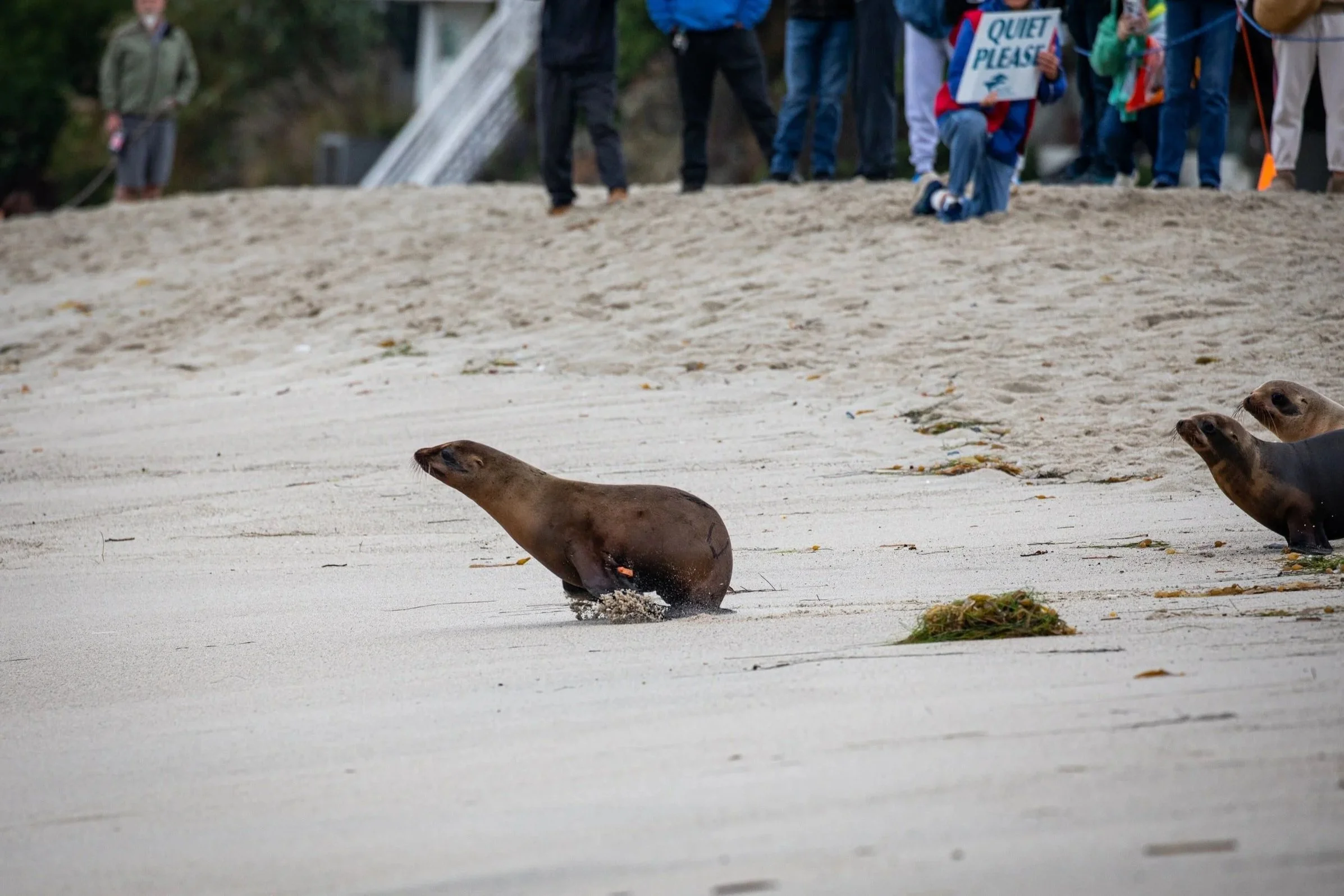
If no concerns are found during the pre-release examination, the animal must be released within 14 days. During this period, an incident action plan is created, outlining the release protocol including location, timing, and coordination. On the day of release, the animals are transported to a local beach in the early morning. Whenever possible, at least two seals or sea lions are released together. This approach supports the animals' confidence and may improve their chances of survival by aiding in predator awareness and the finding of food.
-
Our busiest rescue season is during late winter and early spring. Late winter / early spring period is the time when pups are weaning from their mothers and are more susceptible to medical issues such as malnourishment and dehydration.
We typically expect to see an increase in pups from November to April of every year. We anticipate those months to be our busy season. However, it also depends on what the given season and ocean conditions bring (Domoic Acid, El Niño/La Niña, etc.).
Pacific Marine Mammal Center would like to respectfully acknowledge that our center is located in the ancestral, traditional, and contemporary unceded lands of both the Tongva and Acjachemen (A-ha’-she-men) Peoples.
We strive to honor values we share with the Tongva and Acjachemen Peoples to reconnect with nature, the land, the ocean, the water, the plants, and the animals.
Happy Visitors


WE can’t wait to see you!
We can’t wait to welcome you back to our center and share all of our new & exciting improvements. Thank you for being a part of our mission.