
Sea Lion Cancer
Consortium
An international collaboration dedicated to understanding and preventing cancer in California sea lions and beyond.
Sea lion cancer consortium (SLICC)


Pacific Marine Mammal Center participates in the Sea Lion Cancer Consortium (SLiCC), which is an international research network founded in 2010 to investigate the exceptionally high rate of cancer in California sea lions. SLiCC unites scientists, veterinarians, toxicologists, epidemiologists, and public health experts across the globe.
Investigating Cancer.
Protecting Oceans.
Advancing Human Health.
The mission of SLiCC is to enhance, promote, and coordinate multidisciplinary research into the causes, progression, and prevention of cancer in California sea lions.
Advancing our understanding of cancer through the health of California sea lions.
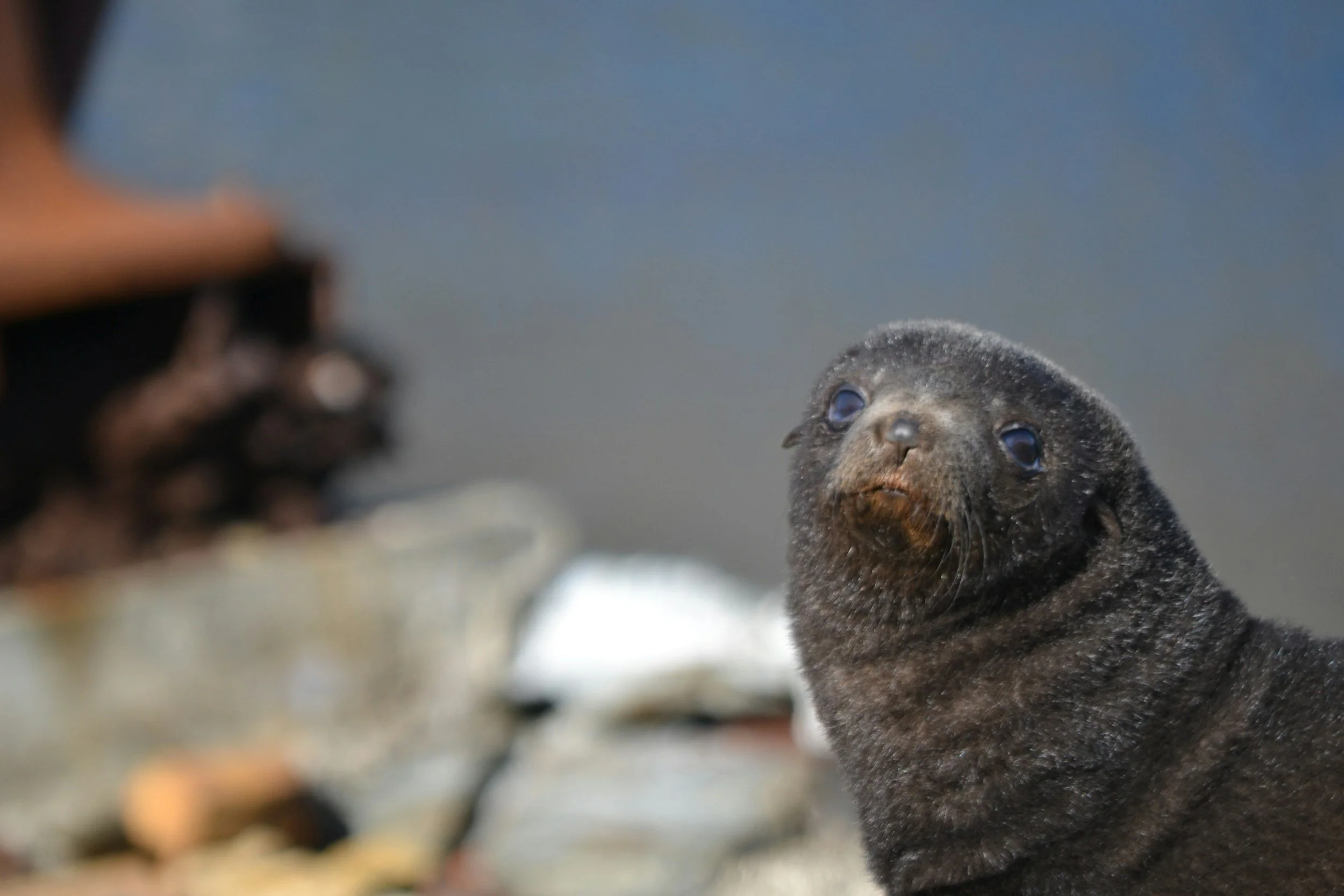
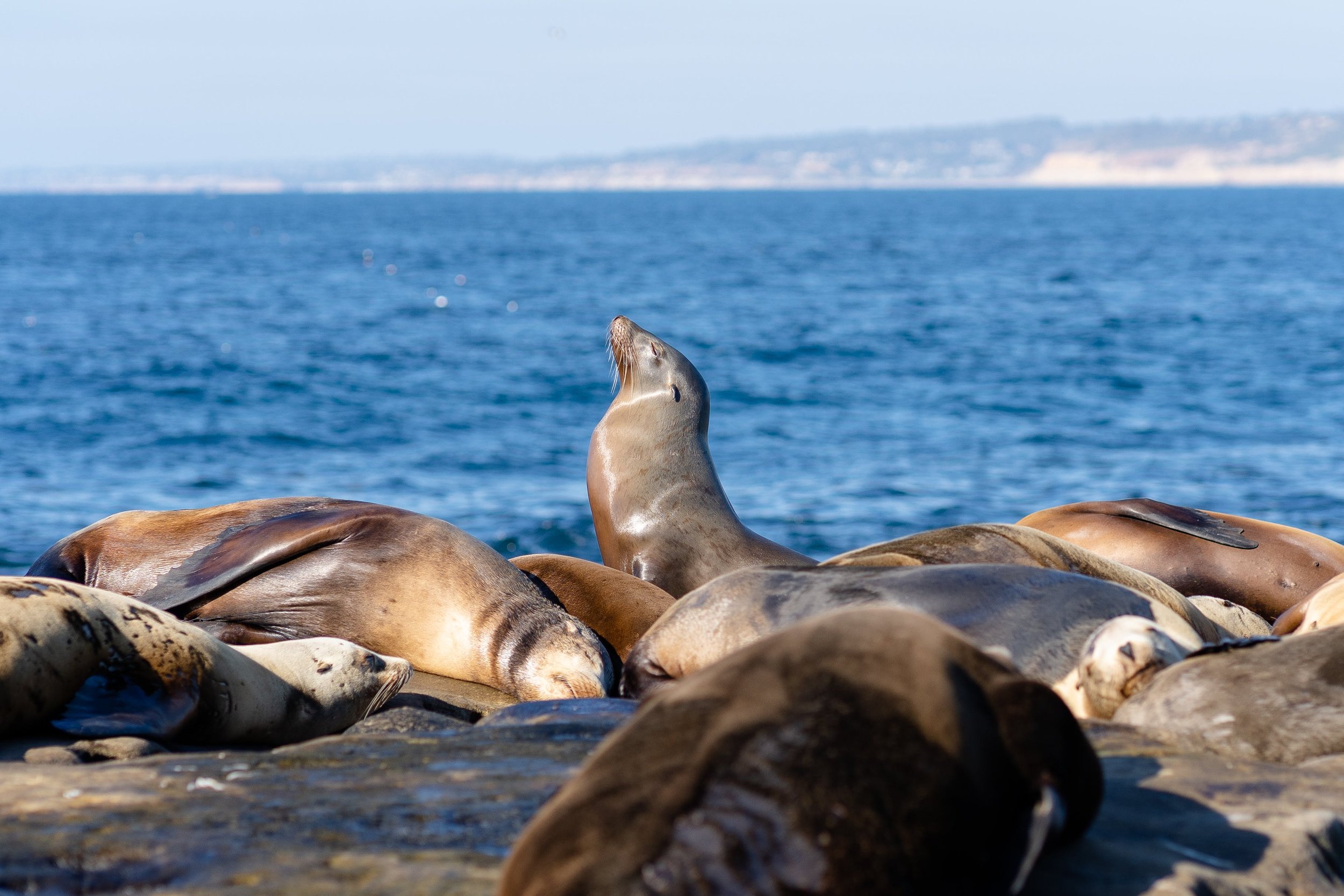
Why sea lions? Almost 20% of adult California sea lions are diagnosed at post-mortem examinations with an aggressive, widely metastatic carcinoma of urogenital origin.
California sea lions are exposed to a combination of viral, environmental, and genetic risk factors rarely seen together in other wildlife populations. This makes them a powerful natural model for understanding how cancer develops— providing insights relevant to both marine wildlife health and human medicine.


OUR IMPACT & WHY IT MATTERS
Urogenital carcinoma in sea lions is one of the highest known cancer rates in any wild mammal. Understanding this disease provides:
Key insights into virus-associated cancers
Clues about how persistent pollutants interact with living systems
A window into how environmental health directly influences human health
Scientific Contributions
Landmark discoveries into the role of herpesviruses in naturally occurring cancers
Evidence linking DDT exposure to accelerated tumor progression
Creation of a shared biorepository for ongoing research
Peer-reviewed publications influencing wildlife conservation and human toxicology research
AREAS OF RESEARCH FOCUS
-
![]()
Herpesvirus involvement: Investigating a specific urogenital herpesvirus implicated in tumor initiation.
-
![]()
Environmental contaminants: Studying legacy pollutants—especially DDT and related chemicals—that appear to accelerate cancer progression.
-
![]()
Host factors: Exploring immune, genetic, and reproductive contributors to disease.
-
![]()
Integrated disease pathways: Understanding how viral, toxicological, and environmental factors interact to cause malignancy.


PUBLICATIONS
-
![]()
Unlocking the Role of a Genital Herpesvirus, Otarine Herpesvirus 1, in California Sea Lion Cervical Cancer
Authors: Alissa C. Deming + others.
-
![]()
Hi-C scaffolded short- and long-read genome assemblies of the California sea lion are broadly consistent for syntenic inference across 45 million years of evolution
Authors: Claire R. Peart + others.
-
![]()
Persistent Contaminants and Herpesvirus OtHV1 Are Positively Associated with Cancer in Wild California Sea Lions (Zalophus californianus)
Authors: Frances M. D. Gulland + others.
-
![]()
Using PacBio SMRT data for identification of class I MHC alleles in a wildlife species, Zalophus californianus (California sea lion) - ScienceDirect
Authors: Ellen E.M. Duckworth + others
-
![]()
Prevalence of Urogenital Carcinoma in Stranded California Sea Lions (Zalophus californianus) from 2005–15 | Journal of Wildlife Diseases
Authors: Alissa C. Deming + others.
-
![]()
No evidence for clonal transmission of urogenital carcinoma in California sea lions (Zalophus californianus)
Authors: Máire Ní Leathlobhair + others.
-
![]()
A Novel Gammaherpesvirus In Northern Fur Seals (Callorhinus Ursinus) Is Closely Related To The California Sea Lion (Zalophus Californianus) Carcinoma-Associated Otarine Herpesvirus-1
Authors: Galaxia Cortés-Hinojosa + others.
-
![]()
Common cancer in a wild animal: the California sea lion (Zalophus californianus) as an emerging model for carcinogenesis
Authors: Helen M. Browning + others.
-
![]()
Evidence for a genetic basis of urogenital carcinoma in the wild California sea lion
Authors: Helen M. Browning + others.
-
![]()
The normal genital tract of the female California sea lion (Zalophus californianus): cyclic changes in histomorphology and hormone receptor distribution
Authors: Kathleen M. Colegrove + others.
-
![]()
Tumor morphology and immunohistochemical expression of estrogen receptor, progesterone receptor, p53, and Ki67 in urogenital carcinomas of California sea lions (Zalophus californianus)
Authors: Kathleen M. Colegrove + others.
-
![]()
Age-prevalence of Otarine Herpesvirus-1, a tumor-associated virus, and possibility of its sexual transmission in California sea lions
Authors: Elizabeth L. Buckles + others
-
![]()
Otarine Herpesvirus-1, not Papillomavirus, is Associated with Endemic Tumours in California Sea Lions (Zalophus californianus)
Authors: Elizabeth L. Buckles + others.
-
![]()
The role of organochlorines in cancer-associated mortality in California sea lions (Zalophus californianus)
Authors: Gina M. Ylitalo + others.
-
![]()
Otarine herpesvirus-1: a novel gammaherpesvirus associated with urogenital carcinoma in California sea lions
Authors: Donald P. King + others.


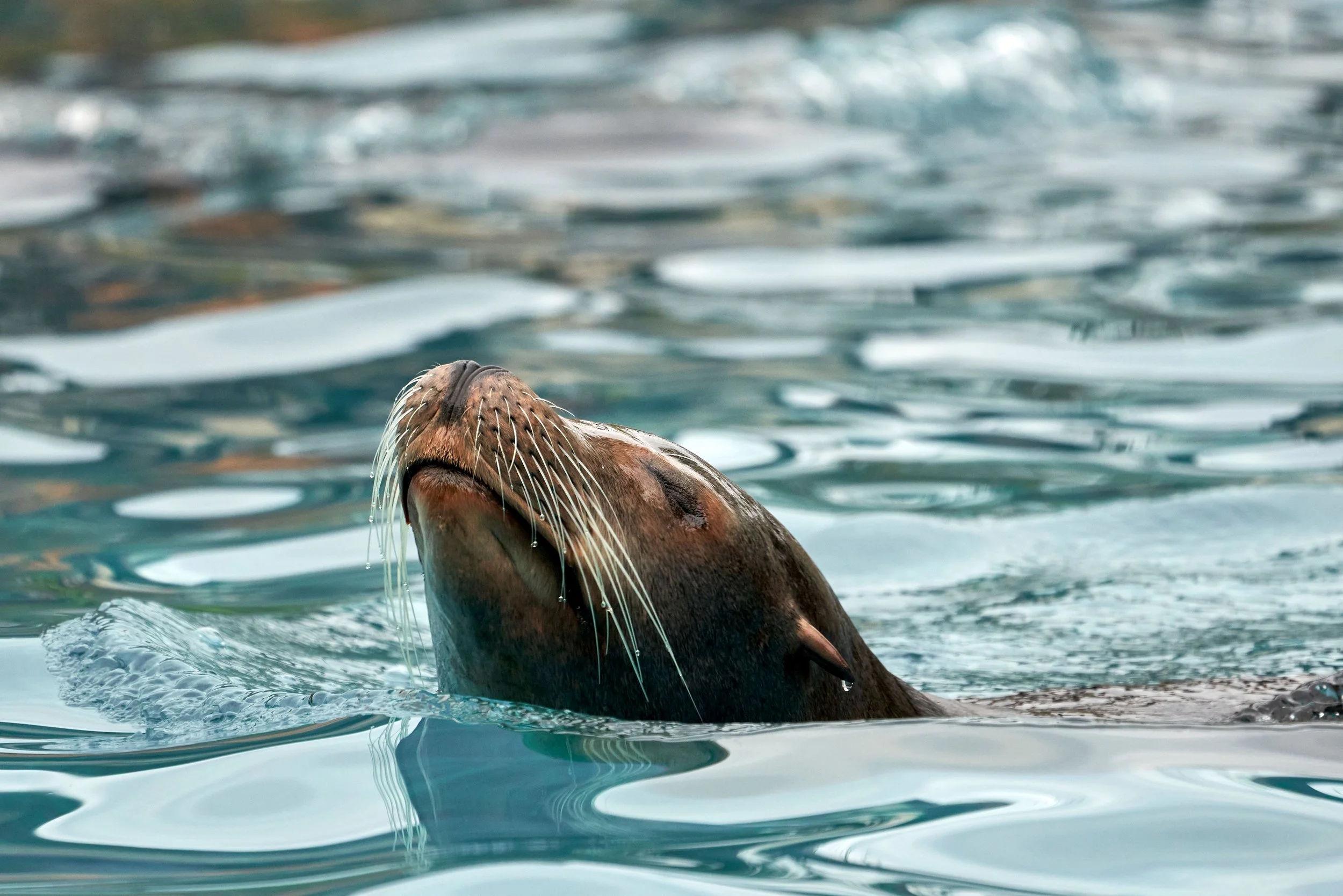
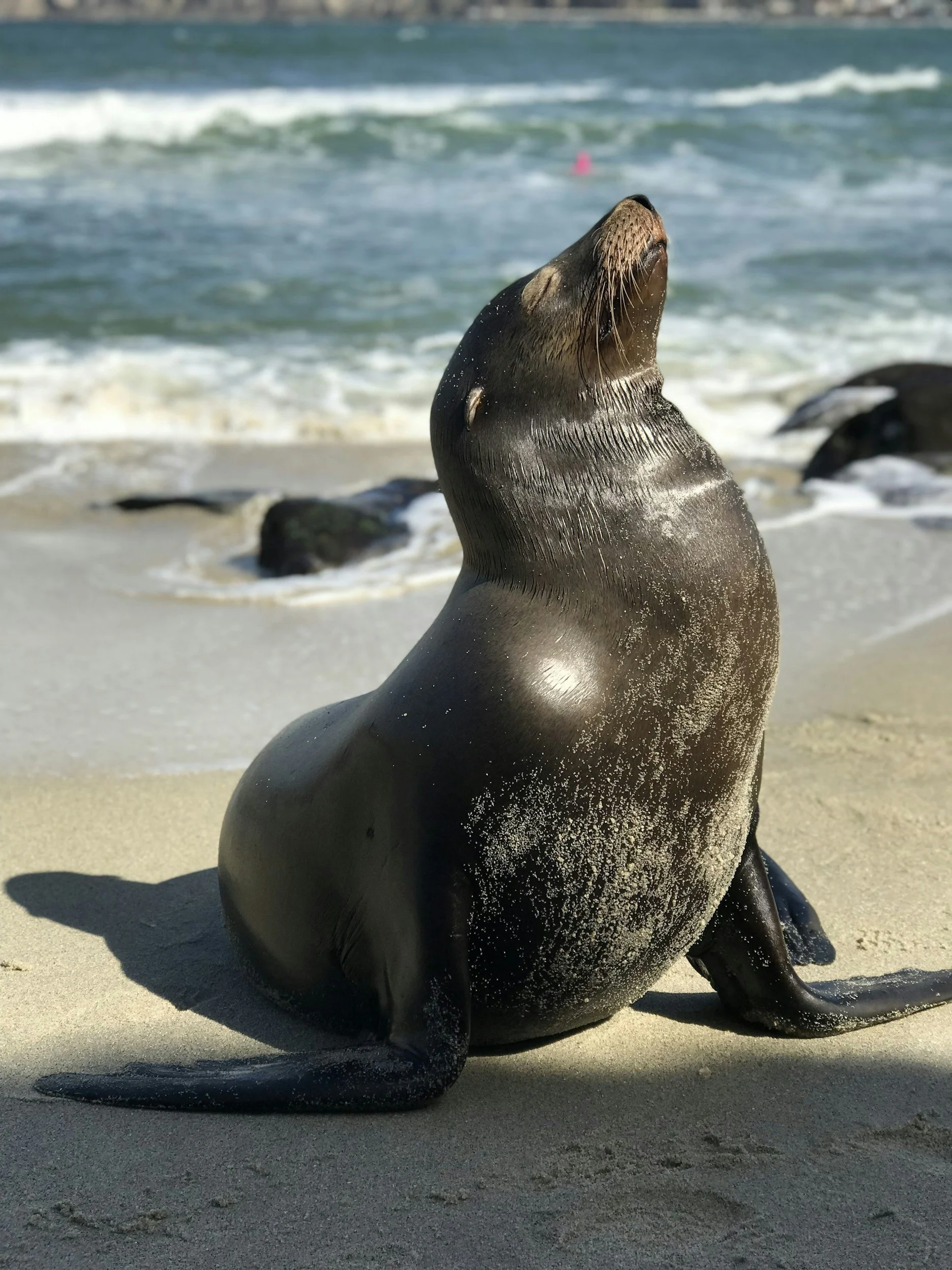


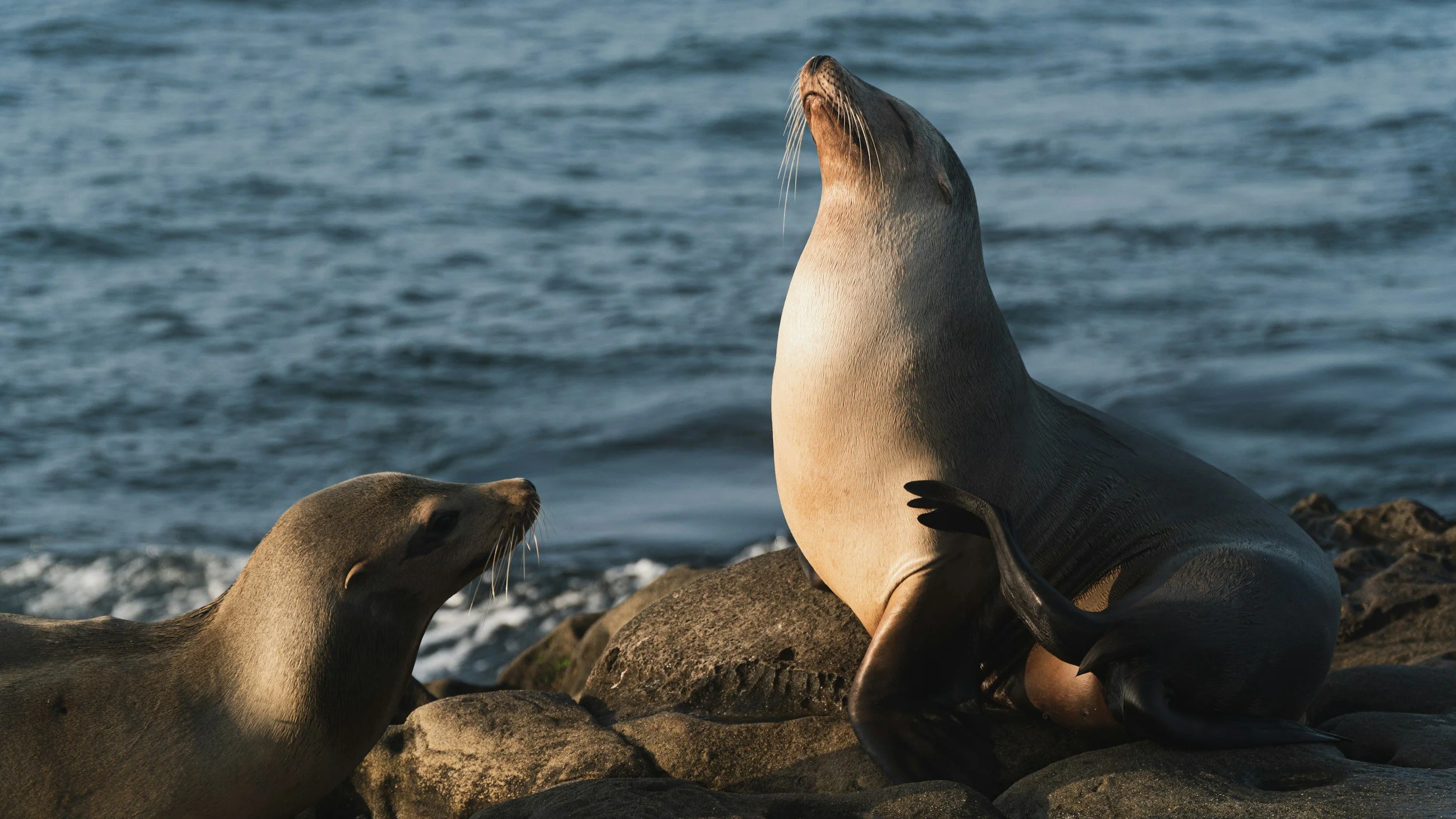

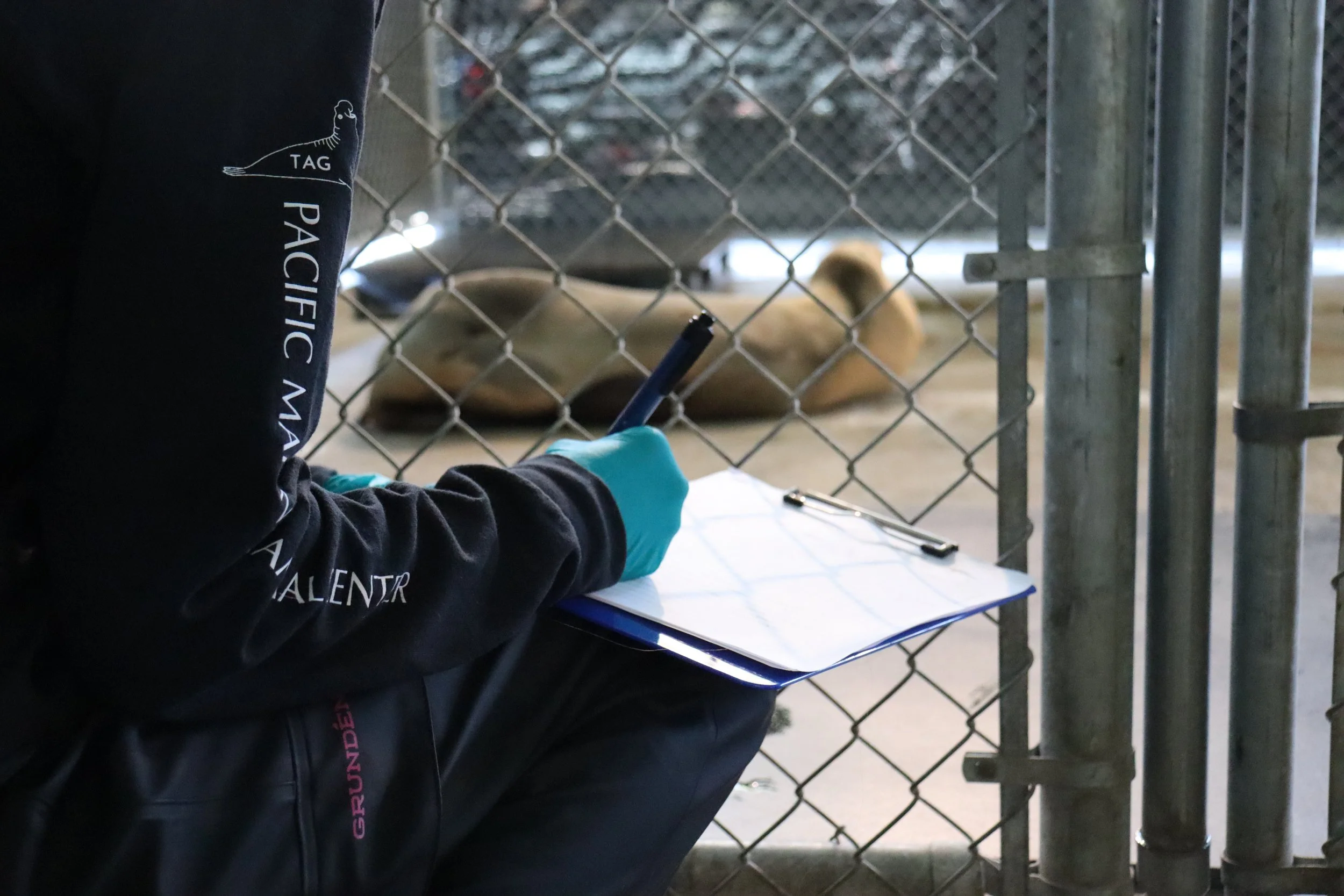
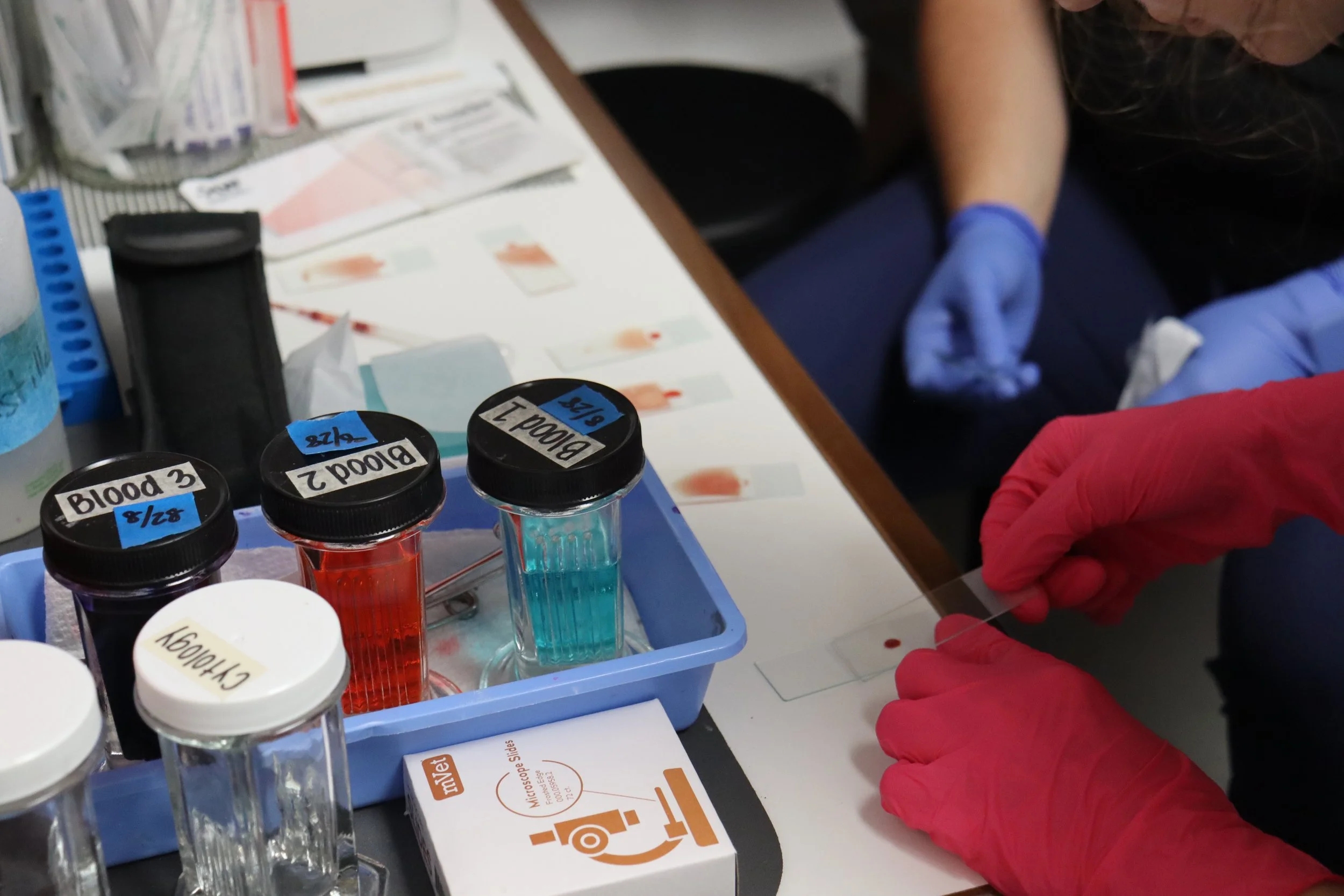
Sample Collection: Acquisition of clinical data, tissue samples, and post-mortem specimens from stranded sea lions— primarily those treated at rehab centers such as The Marine Mammal Center and other partner facilities.
METHODOLOGY
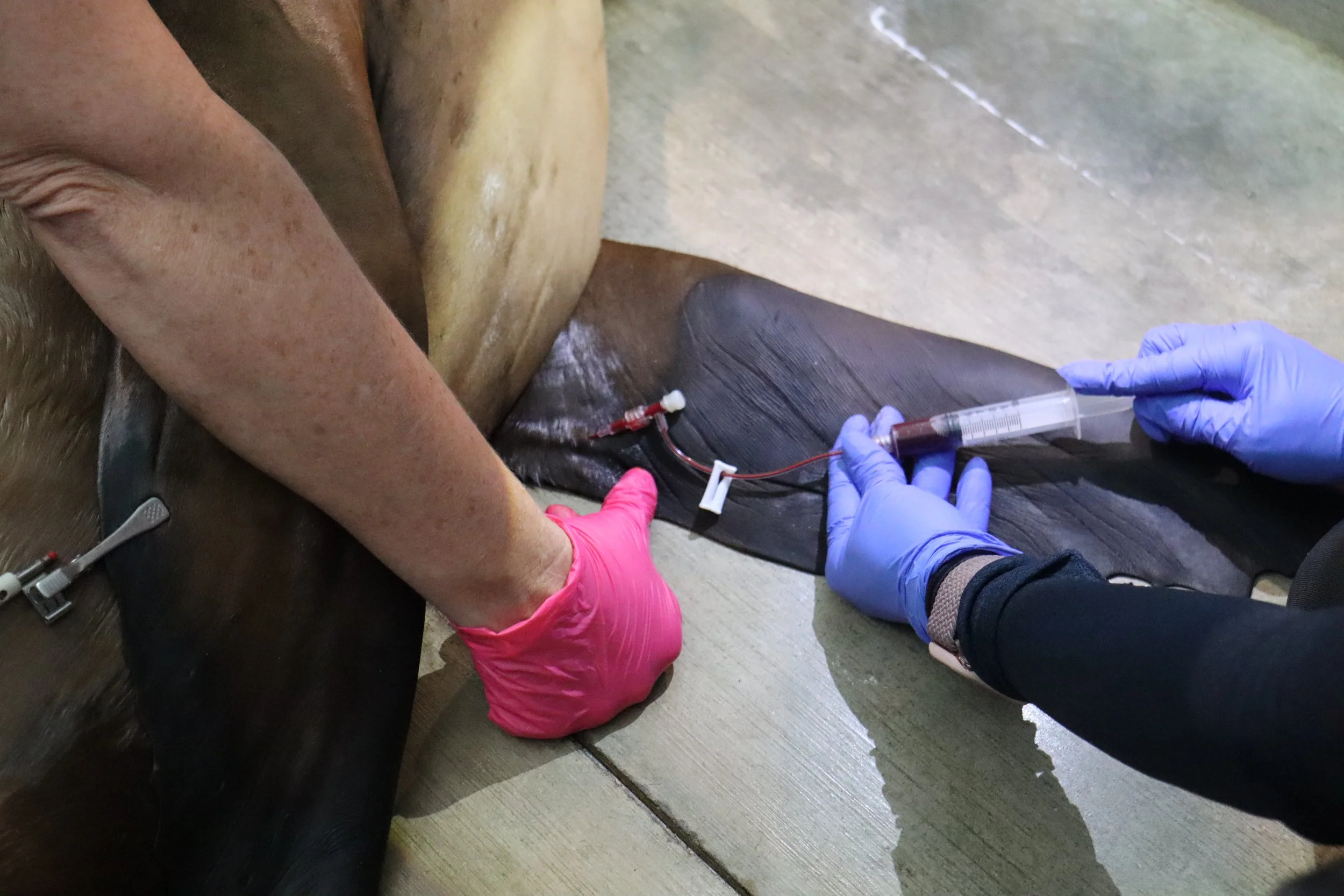
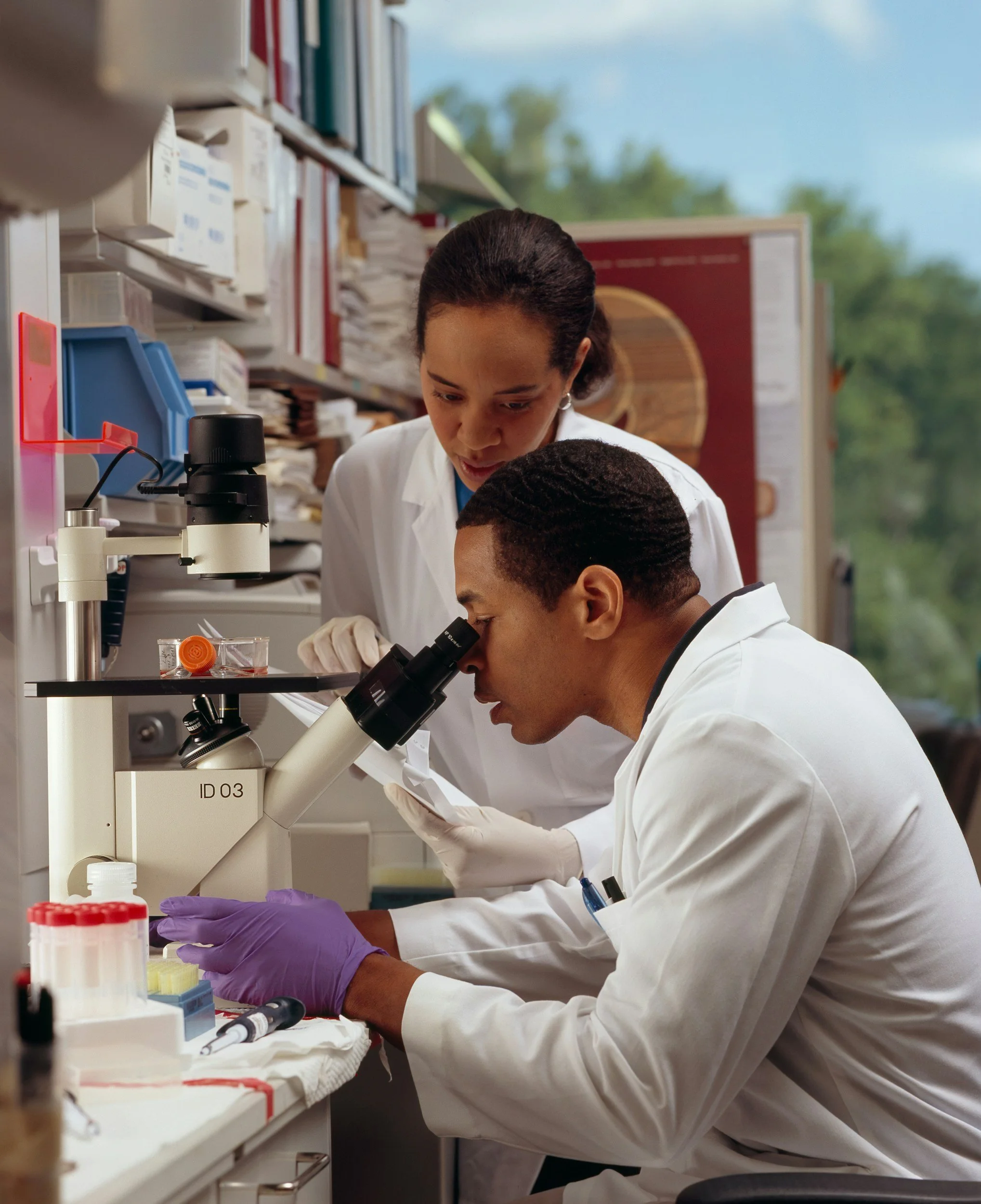
Collaborative Analysis: Standardized protocols for sharing samples, datasets, and diagnostic results across a global network of scientists.
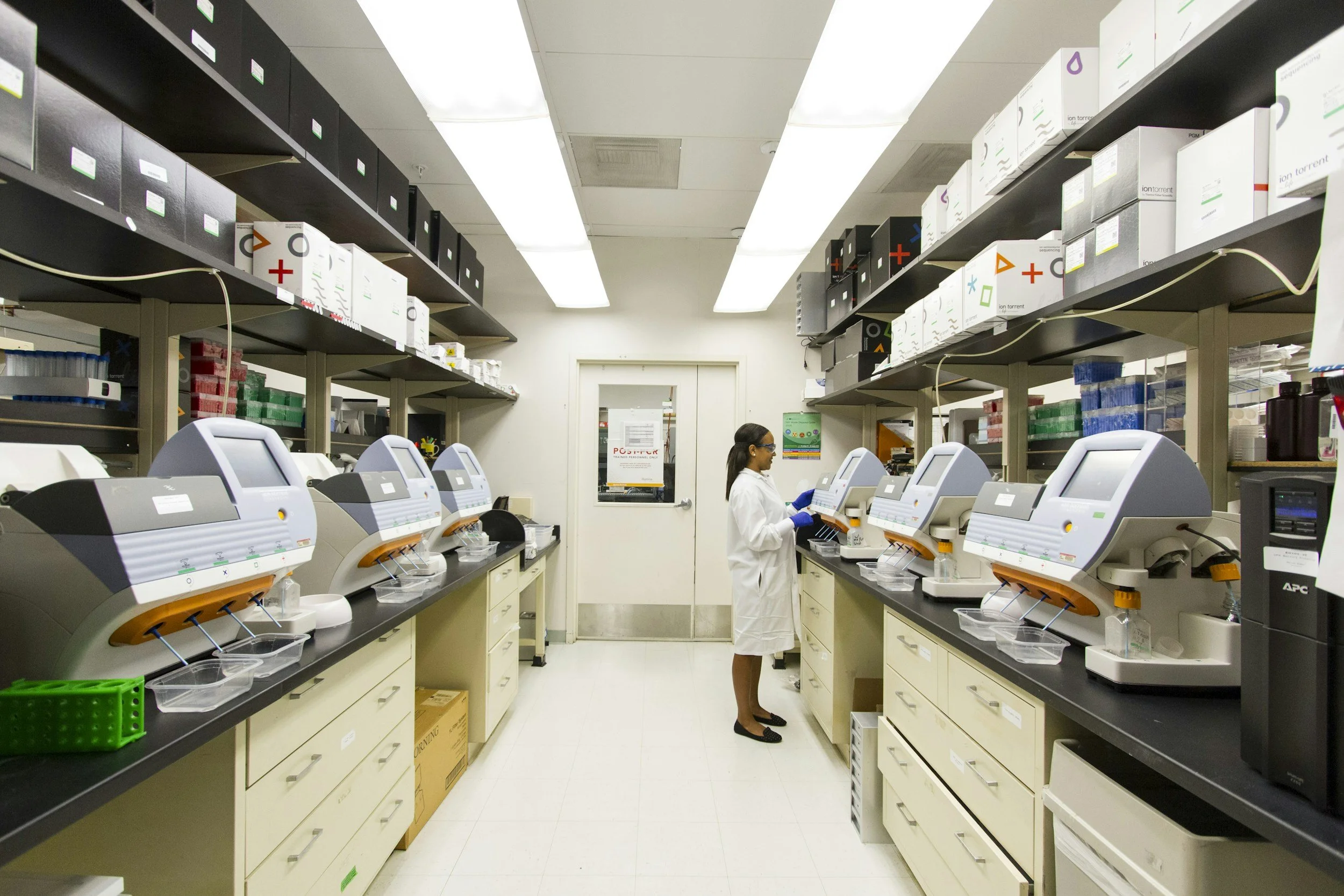
Cutting-Edge Techniques: Includes histopathology, genomics, toxicology, virology, molecular biology, and epidemiology.
IN THE MEDIA
-
![]()
Sea lions are dying from a mysterious cancer. The culprits? Herpes and DDT
Los Angeles Times | Jan. 31, 2021
Author: Rosanna Xia
-
![]()
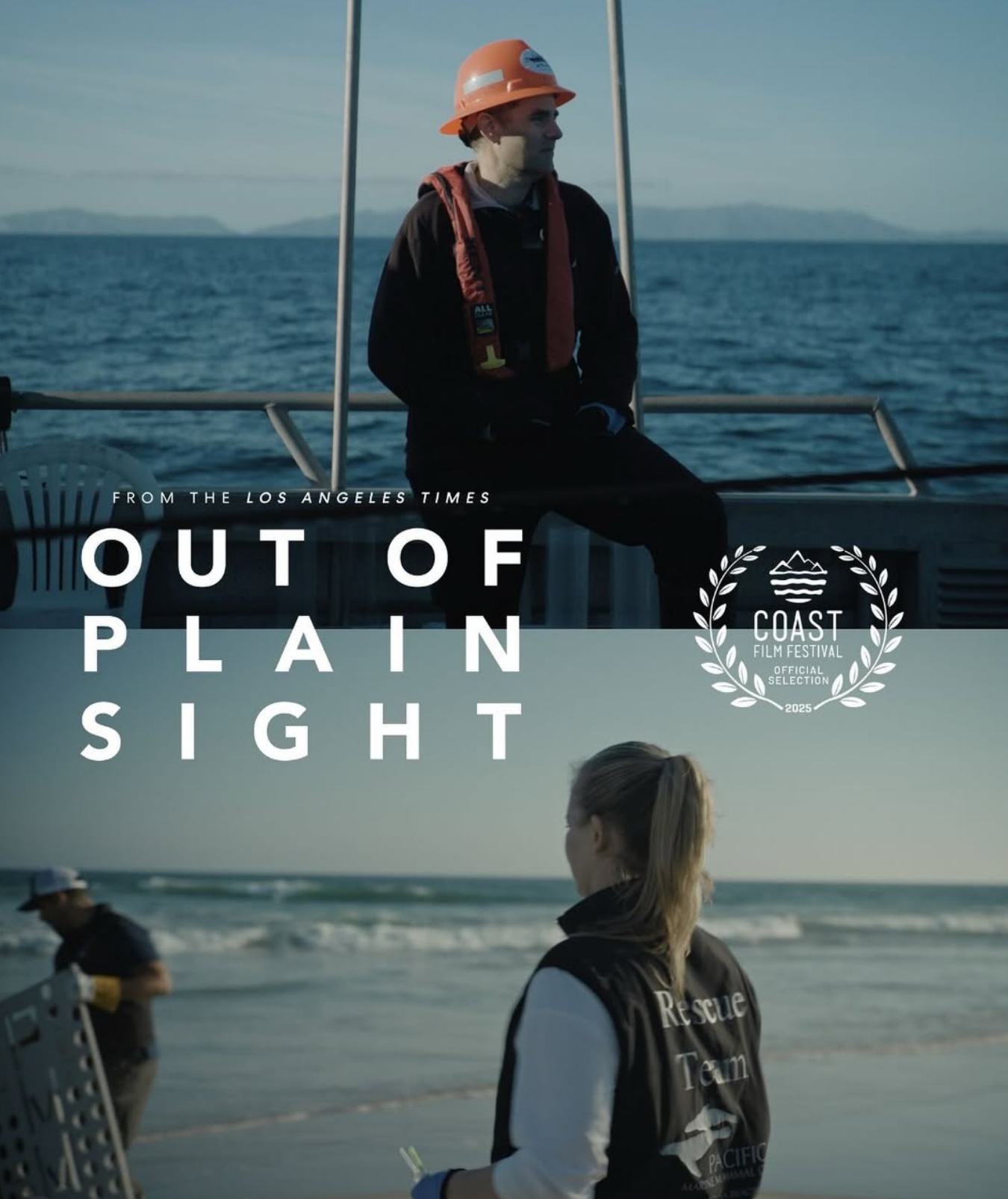
Out of Plain Sight Documentary
Los Angeles Times award winning documentary expands on environmental reporter Rosanna Xia’s real-time investigation into thousands of barrels of toxic chemical waste dumped into the ocean just off the coast of Southern California.
-
![]()
Coast Film + Music Festival
OUT OF PLAIN SIGHT, the striking new Los Angeles Times documentary, is heading to Coast Film Festival in Laguna Beach on November 3rd, and November 8th, 2025.


PARTNERS & COLLABORATIONS
COMING SOON…
RESEARCH MEMBERS
-

Dr. Alisa Hall
Professor Emeritus at Sea Mammal Research Unit
St. Andrews University, UK
Founding Member
-

Dr. Frances M.D. Gulland, Vet. M.B., Ph.D.
Chair of the Marine Mammal Commission
Research Associate at the School of Veterinary Medicine, University of California Davis, San Rafael, CA
Founding Member
-

DR. ALISSA DEMING, MS, DVM, PHD
VP of Conservation Medicine + Science
Pacific Marine Mammal Center, Laguna Beach CA
Founding Member
-
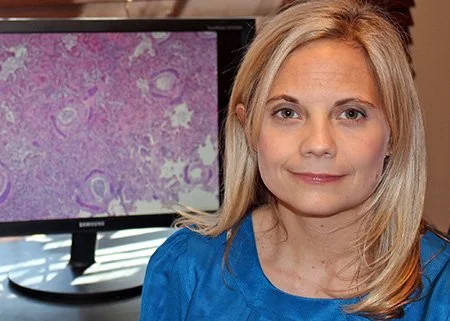
Dr. Kathleen Colegrove
Veterinary Pathologist
Zoological Pathology Program, University of Illinois, IL
Founding Member
-

Dr. Mathew Breen
Professor of Genomics and the Oscar J. Fletcher Distinguished Professor of Comparative Oncology Genetics
University of North Carolina, College of Veterinary Medicine
Founding Member
-

Jim Wellehan
Professor, Zoological Medicine/Microbiology
College of Veterinary Medicine at the University of Florida, FL
Founding Member
-

Karina Acevedo-Whitehouse, BVMS, MSc, PhD
Senior Fellow, Immunology and Veterinary Medicine
Universidad Autonoma de Queretaro, Juriquilla, MX
Founding Member
-

Linda Lowenstine
Professor Emeritus, Pathology, Microbiology & Immunology
UC Davis Veterinary Medicine, CA
Founding Member
-

Tracey Goldstein, PhD
Associate Director, One Health Institute, Director, One Health Institute Laboratory, Lab Director, PREDICT Project
University of California Davis, CA
Founding Member
-

Sylvain De Guise, D.M.V., I.P.S.A.V., M.Sc., Ph.D.
Professor at the Department of Pathobiology and Veterinary Science
University of Connecticut, CT
Founding Member
-

Barbie Halaska
Necropsy Technician and Large Whale Coordinator
Previously at The Marine Mammal Care Center, San Pedro CA
-

BEN NEELY
Biochemical and Exposure Science Group
National Institute of Standards and Technology
-

Cara Field, DVM, Ph.D., Dipl. ACZM
Director, Conservation Medicine
The Marine Mammal Center, Sausalito CA
-

Catherine Wise
Research Scientist, Environmental Sciences and Policy
Nicholas School of the Environment, Duke University, NC
-

Dr Claudia J. Hernández-Camacho
Affiliate Professor, Institute for the Oceans and Fisheries University of British Columbia
Centro Interdisciplinario de Ciencias Marinas-IPN: La Paz, Baja California Sur, MX
-

Elizabeth Murchison
Professor of Comparative Oncology and Genetics
University of Cambridge, Department of Veterinary Medicine, UK
-
Ellen Duckworth
Former Texas A&M Veterinary Intern Instructor
-

Gina Ylitalo
Environmental Chemist
Northwest Fisheries Science Center in Seattle, WA
-

Jennifer Luff
Associate Professor
Department of Population Health and Pathobiology, North Carolina State University, NC
-
Kaitlyn Romoser
Texas A&M College Graduate Student
Department of Ecology and Conservation Biology
-
Laura Sheer
The Marine Mammal Center, Sausalito CA
-
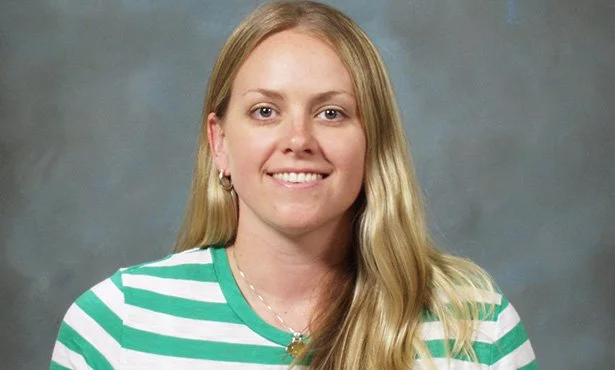
Dr. Martha A. Delaney, DVM, PhD, DACVP
Clinical Assistant Professor of Zoo Pathology
College of Veterinary Medicine, University of Illinois
-
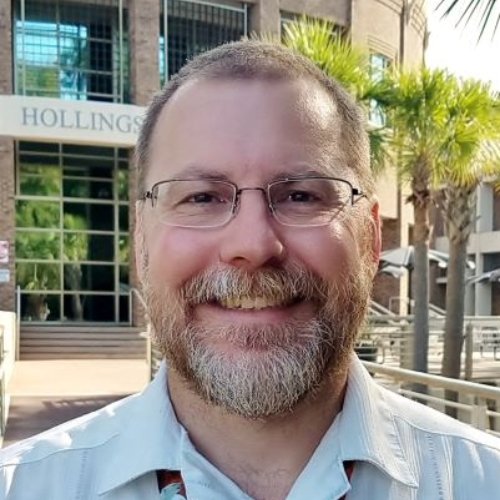
Michael Janech
Associate Professor, SC SmartState® Endowed Chair in Marine and Environmental Health
College of Charleston, SC
-

Dr. Michael Criscitiello
Associate Dean for Research & Graduate Studies and a Professor in the Department of Veterinary Pathobiology
Texas A & M University, TX
-

Pádraig Duignan, DVM, Ph.D.
Director of Pathology
The Marine Mammal Center, Sausalito CA
-
Pauli Larrea
Centro Interdisciplinario de Ciencias Marinas (CICIMAR), La Paz, MX
-
Tenaya Norris
Marine Mammal Center
-

Dr. Lydia M. Hall
Veterinary anatomic pathologist and postdoctoral fellow in the Department of Comparative Biosciences.

Have questions for us?
Explore our research collaborations, read our publications, or reach out for more info.